
Exploring the Latest Smartwatches with Advanced Health Monitoring
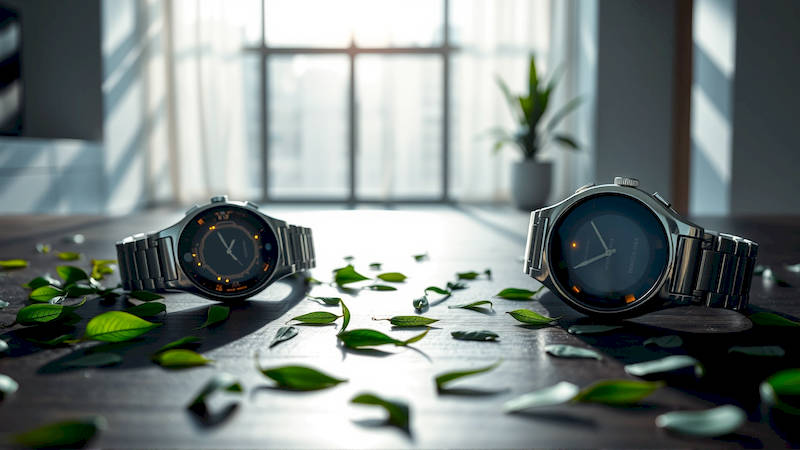
The smartwatch has rapidly evolved from a simple notification device to a sophisticated health and wellness hub on our wrists. No longer just about telling time or displaying phone alerts, modern smartwatches are packed with sensors capable of tracking a remarkable array of physiological data. This data, ranging from heart rate variability to blood oxygen saturation, offers unprecedented insight into our overall health and can empower users to make proactive lifestyle changes. The convergence of technology and healthcare is arguably most visible in the wearable tech space, and the newest generation of smartwatches are at the forefront of this revolution.
The demand for these advanced features isn’t merely a trend – it’s a response to a growing awareness of preventative healthcare. Consumers are actively seeking tools to monitor their well-being, leading to a boom in the wearable technology market. According to a recent report by Statista, the global smartwatch market is projected to reach $93.9 billion by 2027, driven largely by advancements in health tracking capabilities. This isn’t just about fitness enthusiasts; it’s about individuals wanting to understand their bodies better and potentially identify health issues early on. The sophistication of these devices is also impacting the healthcare industry itself, with doctors increasingly using data generated by smartwatches to inform patient care.
This article will delve into the latest advancements in smartwatch health monitoring, exploring the key sensors, functionalities, accuracy considerations, and the future trends shaping this dynamic field. We will examine specific examples of smartwatches leading the charge and offer practical advice for choosing the right device for your individual needs. Ultimately, we aim to provide a comprehensive guide to navigating the world of smartwatches and leveraging their potential for a healthier, more informed life.
- The Core Sensors Driving Health Insights
- Deep Dive into Specific Health Metrics and Their Applications
- Accuracy & Validation: Separating Fact from Fiction
- Privacy & Data Security: Protecting Your Personal Health Information
- The Future of Smartwatch Health Monitoring: What's on the Horizon?
- Conclusion: Embracing a Healthier Future with Wearable Technology
The Core Sensors Driving Health Insights
At the heart of every health-focused smartwatch lies a suite of sensors designed to capture physiological data. The most fundamental is the photoplethysmography (PPG) sensor, commonly used for heart rate monitoring. This technology utilizes light to measure changes in blood volume under the skin and has become ubiquitous in wearables. But modern PPG sensors are far more sophisticated than their predecessors. Newer iterations incorporate multiple wavelengths of light and advanced algorithms to improve accuracy and even estimate blood oxygen saturation (SpO2), a crucial metric for assessing respiratory health. Companies like Apple and Fitbit have invested heavily in refining PPG technology, and studies suggest accuracy is nearing levels comparable to medical-grade pulse oximeters.
Beyond heart rate and SpO2, many smartwatches now include electrocardiogram (ECG) sensors. This feature, initially popularized by the Apple Watch, allows users to record a single-lead ECG, which can detect irregularities in heart rhythm such as atrial fibrillation (Afib). While not a replacement for a clinical ECG, this capability can be invaluable for early detection and prompt medical attention. It is important to note that ECG features often require FDA or regulatory clearance, and results should always be reviewed by a healthcare professional. Furthermore, the integration of skin temperature sensors is gaining traction. While initially used for tracking menstrual cycles and estimating ovulation, these sensors may also serve as an early indicator of illness, as a fever is often the first symptom of many infections.
Finally, the inclusion of accelerometers and gyroscopes provides data for activity tracking – steps taken, calories burned, distance traveled, and even sleep stages. These sensors, combined with sophisticated algorithms, offer a comprehensive picture of a user’s daily activity levels and sleep patterns. The true power, however, lies in combining data from these diverse sensors to create a holistic view of an individual’s health.
Deep Dive into Specific Health Metrics and Their Applications
Modern smartwatches aren't just collecting data; they're translating that data into actionable insights. Heart Rate Variability (HRV) is a prime example. Traditionally a metric used in sports performance analysis, HRV – the variation in time intervals between heartbeats – is now recognized as a key indicator of stress, recovery, and overall health. Lower HRV is often associated with higher stress levels and reduced resilience, while higher HRV is linked to improved cardiovascular health and well-being. Smartwatches like those from Garmin and Whoop prioritize HRV tracking and provide personalized recommendations based on individual measurements.
Sleep tracking has also undergone a significant evolution. Early smartwatches simply estimated total sleep time. Now, advanced models analyze sleep stages (light, deep, REM) with increasing accuracy, providing detailed insights into sleep quality and potential disruptions. This data can help individuals identify factors interfering with their sleep, such as caffeine intake or irregular bedtimes. Furthermore, some watches incorporate sleep apnea detection features, utilizing SpO2 monitoring to identify potential breathing disturbances during sleep. A recent study published in the Journal of Clinical Sleep Medicine highlighted the potential of wearable devices to screen for sleep apnea, although further research is needed to validate their effectiveness.
Beyond these core metrics, emerging functionalities include fall detection, particularly important for elderly users, and electro dermal activity (EDA) sensing – measuring sweat gland activity as an indicator of stress. The integration of these various metrics allows for a more nuanced understanding of individual health and opens doors for personalized interventions.
Accuracy & Validation: Separating Fact from Fiction
While the technology behind smartwatch health monitoring is impressive, it’s crucial to acknowledge the limitations and potential for inaccuracies. PPG-based heart rate sensors, while convenient, can be susceptible to interference from movement, skin tone, and even tattoo ink. ECG accuracy can vary depending on proper sensor contact and individual physiological factors. The claim being made by the manufacturers is often tested however, and reports from the American Heart Association conclude that smartwatches are improving in accuracy.
Validation against medical-grade devices is paramount. Independent studies have shown that some smartwatches perform well in controlled settings, closely matching the results of professional medical equipment. However, real-world performance can vary significantly. For instance, a 2020 study published in JAMA Cardiology found significant discrepancies between smartwatch-derived ECG readings and clinical ECGs, particularly in individuals with pre-existing heart conditions. Consumers should be wary of relying solely on smartwatch data for critical health decisions.
To mitigate inaccuracies, it’s important to ensure a proper fit of the watch, keep the sensors clean, and understand the limitations of the technology. Regularly comparing smartwatch data with manual measurements (e.g., using a traditional blood pressure cuff) can also help assess accuracy. It’s also vital to remember that smartwatches are not diagnostic tools and should not be used to self-diagnose or treat health conditions. They are best viewed as a valuable source of information that can supplement – not replace – regular medical checkups.
Privacy & Data Security: Protecting Your Personal Health Information
The increasing collection of sensitive health data by smartwatches raises legitimate privacy concerns. Smartwatches are constantly recording and transmitting data about your heart rate, sleep patterns, activity levels, and even location. This data is often stored in the cloud and can potentially be accessed by third-party developers or even hackers. It's crucial to understand how your data is being used and protected.
Most smartwatch manufacturers have privacy policies outlining their data collection and usage practices. However, these policies can be complex and difficult to decipher. Users should carefully review these policies and be aware of their rights regarding data access, modification, and deletion. Data encryption is a vital security measure, ensuring that your health data is protected during transmission and storage. Two-factor authentication adds an extra layer of security, requiring a second form of verification in addition to your password.
Furthermore, consider the permissions granted to third-party apps connected to your smartwatch. Limit access to only the essential data required for the app to function. Regulators like the GDPR (General Data Protection Regulation) in Europe and HIPAA (Health Insurance Portability and Accountability Act) in the US are working to strengthen data privacy protections, but consumers must also take proactive steps to safeguard their personal health information.
The Future of Smartwatch Health Monitoring: What's on the Horizon?
The future of smartwatch health monitoring is brimming with exciting possibilities. Continuous glucose monitoring is a particularly promising area, with several companies developing non-invasive glucose sensors that could revolutionize diabetes management. This would move beyond the prick of a finger, making it easier for people with diabetes to constantly monitor their blood sugar levels. Another key trend is the development of more sophisticated sensors capable of detecting a wider range of biomarkers.
Artificial intelligence (AI) and machine learning (ML) will play an increasingly important role in analyzing the vast amounts of data generated by smartwatches. AI algorithms can identify subtle patterns and anomalies that might be missed by human observation, potentially enabling earlier detection of health issues. Personalized health coaching and interventions, tailored to individual needs and risk factors, will also become more prevalent.
We can expect to see more integration of smartwatches with the broader healthcare ecosystem, with seamless data sharing between wearables, electronic health records, and telehealth platforms. Ultimately, the goal is to move from reactive healthcare (treating illness after it occurs) to proactive and preventative healthcare (empowering individuals to stay healthy and well). The smartwatch, as a constant companion and data-gathering tool, is poised to be a central player in this transformative shift.
Conclusion: Embracing a Healthier Future with Wearable Technology
The latest smartwatches represent a significant leap forward in personal health monitoring, offering a compelling combination of convenience, data-driven insights, and proactive health management tools. From sophisticated sensors like PPG, ECG, and skin temperature monitors to advanced features like HRV tracking and sleep stage analysis, these devices are empowering individuals to take control of their well-being. However, it'scrucial to approach this technology with realistic expectations and a critical eye, recognizing the limitations in accuracy and the importance of data privacy.
The key takeaways are threefold: firstly, understand the capabilities and limitations of your chosen smartwatch; secondly, prioritize data security and protect your personal health information; and thirdly, view smartwatch data as a valuable supplement to – not a replacement for – regular medical checkups and professional healthcare advice. By embracing this technology responsibly and proactively, we can harness its power to build a healthier, more informed, and more empowered future. The ongoing convergence of wearable technology and healthcare promises to revolutionize how we approach wellness, and the smartwatch will undoubtedly remain at the epicenter of this exciting evolution.
Deja una respuesta