
Beginner’s Guide to Integrating Smart Blinds with Home Automation
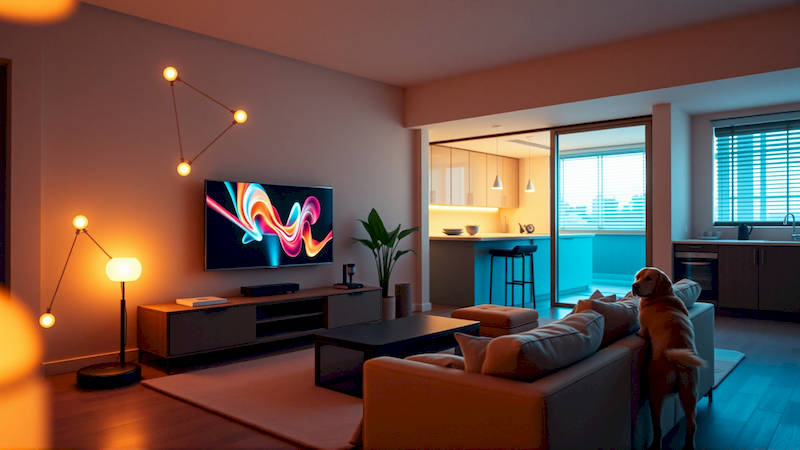
The rise of the smart home has moved beyond simple voice assistants and connected speakers. Today, homeowners are automating increasingly intricate aspects of their living spaces, seeking convenience, energy efficiency, and enhanced security. One frequently overlooked yet strikingly impactful integration point is window coverings. Smart blinds, offering automated control over light, privacy, and even temperature regulation, are rapidly becoming a cornerstone of the modern smart home. This guide will provide a comprehensive overview of integrating smart blinds into your existing home automation setup, covering everything from choosing the right blinds and protocols, to installation, and advanced automation possibilities. As Statista reports, the smart blinds market is projected to reach $7.5 billion by 2028, demonstrating a clear and growing demand for this technology – a trend driven by increasing disposable incomes and a desire for seamless, integrated living experiences.
Traditionally, adjusting blinds meant manually walking around the house, pulling cords, or wrestling with awkward wands. Smart blinds eliminate this tedious task, allowing for remote control via smartphone apps, voice commands, or even automated schedules. The benefits extend far beyond mere convenience. By automating blind adjustments based on sunlight intensity, homeowners can significantly reduce energy consumption by minimizing reliance on air conditioning or heating. Moreover, the added layer of automation can act as a deterrent against potential burglaries, simulating occupancy when you’re away. This comprehensive guide aims to empower you to take control of your home environment with the intelligence and convenience of smart blinds.
- Understanding Smart Blind Technology and Protocols
- Choosing the Right Smart Blinds for Your Needs
- Installation: DIY vs. Professional
- Integrating Smart Blinds with Your Smart Home Ecosystem
- Advanced Automation and Troubleshooting
- Security and Privacy Considerations
- Conclusion: Embracing a Smarter Window to the World
Understanding Smart Blind Technology and Protocols
Smart blinds aren’t simply traditional blinds with a motor attached. The “smart” functionality rests on the communication protocol used to control them. Several options exist, each with its advantages and disadvantages. The most popular include Zigbee, Z-Wave, Wi-Fi, and Bluetooth. Zigbee and Z-Wave operate on low-power mesh networks, meaning devices communicate with each other to extend the reach of the network, providing robust coverage even in larger homes. Wi-Fi blinds connect directly to your home network, offering simpler setup but potentially contributing to network congestion. Bluetooth blinds generally require a direct connection to your smartphone or hub, offering limited range and automation capabilities. Choosing the right protocol is crucial for seamless integration with your existing smart home ecosystem.
Consider your existing smart home hub (if any) when making your decision. If you already have a SmartThings or Hubitat hub, opting for Zigbee or Z-Wave blinds is the most logical choice. These hubs natively support these protocols, minimizing compatibility issues and maximizing functionality. If you're heavily invested in Amazon Alexa or Google Assistant, Wi-Fi blinds often integrate directly with these ecosystems without requiring an additional hub. Furthermore, it’s important to understand the power requirements. Most smart blinds require either battery power or a hardwired connection. Battery-powered options are easier to install but require periodic battery replacements. Hardwired blinds offer consistent power but necessitate professional installation and potentially, alterations to your home’s electrical system.
Choosing the Right Smart Blinds for Your Needs
The market offers a diverse range of smart blinds to suit various budgets and aesthetic preferences. Options range from retrofit kits that automate existing blinds to complete smart blind systems. Retrofit kits, like those offered by Soma Smart Home, typically attach to the existing blind mechanism, adding motorization and smart control without replacing the entire window treatment. These are often a more affordable option but may have limitations in terms of blind type compatibility (usually horizontal blinds). Complete smart blinds, available from brands like Lutron Serena, Hunter Douglas PowerView, and IKEA FYRTUR, provide a fully integrated solution with a wide range of style, material, and functionality options.
Beyond the motorization aspect, consider the blind material and style. Cellular shades offer excellent insulation, while roller shades provide a sleek and minimalist look. Venetian blinds allow for precise light control but can be more challenging to clean. Also factor in the level of automation you desire. Some smart blinds offer basic up/down control, while others provide features like tilt adjustment, scene creation, and integration with sunrise/sunset schedules. "We’re seeing a massive shift towards energy-efficient solutions, and smart blinds definitely fit the bill,” says Sarah Jones, a home automation consultant at SmartHome Living. “The ability to automatically adjust blinds based on sunlight helps homeowners significantly reduce their energy bills and create a more comfortable living environment.”
Installation: DIY vs. Professional
Installing smart blinds can range from a straightforward DIY project to a complex undertaking requiring professional assistance. Retrofit kits are generally easier to install, often requiring only a screwdriver and a bit of patience. These kits typically come with detailed instructions and online tutorials to guide you through the process. However, even with a retrofit kit, some basic mechanical aptitude is required to properly attach the motor and ensure smooth operation. Complete smart blinds, especially those requiring hardwired connections, are often best left to professionals. This is particularly true if you're unfamiliar with electrical wiring or if the installation involves modifying your home's infrastructure.
Professional installation ensures proper wiring, secure mounting, and accurate calibration of the blinds. It also includes the benefit of a warranty, protecting you against potential malfunctions or installation errors. While professional installation adds to the overall cost, it can save you time, frustration, and potentially, costly repairs. If you choose the DIY route, carefully review the manufacturer’s instructions, watch online tutorials, and take your time. Ensure the blinds are securely mounted, properly calibrated, and functioning correctly before considering the project complete.
Integrating Smart Blinds with Your Smart Home Ecosystem
Once your smart blinds are installed, the real fun begins – integrating them with your existing smart home ecosystem. This typically involves connecting the blinds to your smart home hub or directly to a voice assistant like Amazon Alexa or Google Assistant. The integration process varies depending on the chosen protocol and ecosystem. For Zigbee or Z-Wave blinds, you’ll generally need to put your hub into pairing mode and follow the manufacturer’s instructions to add the blinds to your network. For Wi-Fi blinds, you’ll typically connect them to your home network via the manufacturer’s app and then link the app to your voice assistant.
The key to successful integration lies in creating scenarios and automations. For example, you can create a “Good Morning” routine that automatically opens the blinds as your alarm clock goes off. Conversely, a “Good Night” routine can close the blinds and lock the doors. You can also create automations based on time of day, sunlight intensity, or even your location. "Sophisticated automation is where smart blinds truly shine," explains David Chen, a software engineer specializing in smart home integrations. "Being able to tie blind adjustments to other smart home devices, like thermostats and lighting systems, creates a truly responsive and intelligent living environment."
Advanced Automation and Troubleshooting
Beyond basic scheduling and voice control, advanced automation unlocks the full potential of your smart blinds. Utilizing IFTTT (If This Then That) allows you to create custom applets that connect your blinds to a vast range of online services and devices. For example, you could set your blinds to automatically close when the UV index reaches a certain level, protecting your furniture from sun damage. Or you could have them open when your security camera detects motion.
However, even with careful planning and installation, issues can arise. Common troubleshooting steps include checking the batteries (for battery-powered blinds), verifying the network connection (for Wi-Fi blinds), and resetting the blinds to factory settings. Most manufacturers offer online support resources and troubleshooting guides. If you’re still experiencing issues, contact the manufacturer’s customer support for assistance. Regularly updating the blinds’ firmware and your smart home hub's software is also crucial for maintaining optimal performance and security.
Security and Privacy Considerations
While smart blinds offer numerous benefits, it’s important to be aware of potential security and privacy concerns. Like any connected device, smart blinds are vulnerable to hacking. It’s crucial to secure your home network with a strong password and enable two-factor authentication. Regularly update the firmware on your blinds and your smart home hub to patch security vulnerabilities. Also, consider the privacy implications of collecting data on your blind usage patterns. Some manufacturers may collect data on how often you open and close your blinds, which could potentially be used for marketing purposes. Review the manufacturer’s privacy policy before purchasing and adjust your settings accordingly.
Conclusion: Embracing a Smarter Window to the World
Integrating smart blinds into your home automation system is a transformative step toward creating a more comfortable, convenient, and energy-efficient living space. While the initial investment might seem significant, the long-term benefits—reduced energy bills, enhanced security, and unparalleled convenience—make it a worthwhile addition to any smart home. Choosing the right blinds, understanding the different communication protocols, and carefully planning your automation scenarios are key to a successful implementation. Remember to prioritize security and privacy, and don’t hesitate to seek professional assistance if needed.
The journey into smart home automation doesn't end with the installation. Continuously explore new features, experiment with different automations, and tailor the system to your specific needs and lifestyle. Key takeaways include thoroughly researching blind protocols for compatibility, considering professional installation for complex setups, and focusing on creating tailored automation routines to maximize convenience. By embracing the intelligence of smart blinds, you’re not just automating a window covering—you're enhancing your entire home ecosystem and embracing a smarter way to live.
Deja una respuesta